Door Access Control has become a core element of modern property management, especially for professionals operating in short-term rentals and the hospitality industry.
For property managers, adopting a digital access control system means simplifying daily operations, improving security, and offering guests a smooth and autonomous self check-in experience.
Today, access control is no longer just about securing doors. It is about managing entrances and exits in a smart, automated, and scalable way, while maintaining full control over who accesses a property and when.
But what exactly is Door Access Control, and why is it so important for self check-in?
What is Door Access Control and how does it work?
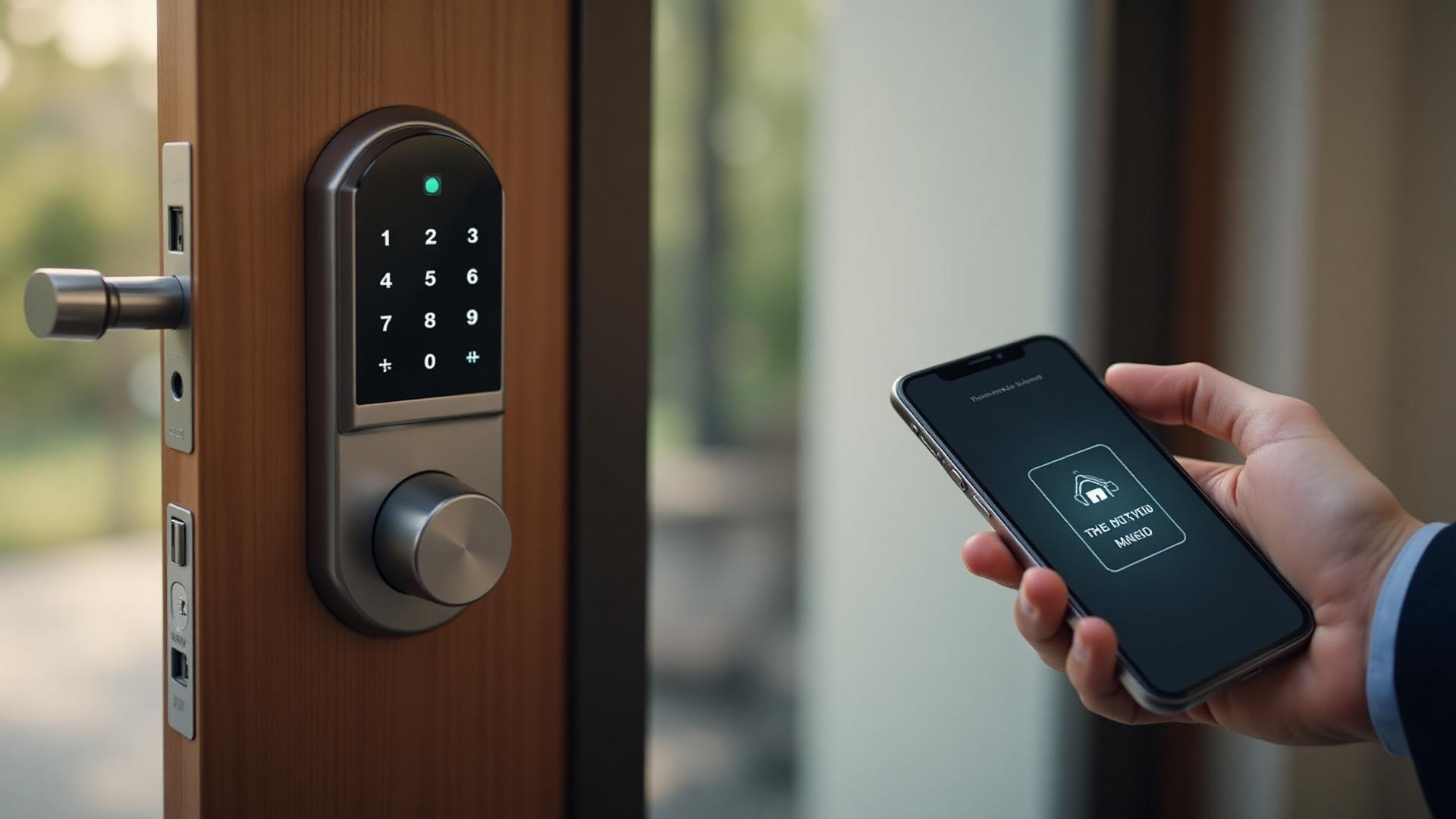
Door Access Control is a system that allows doors to be opened and closed digitally, removing the need for physical keys. Access can be managed through passcodes, mobile apps, smart locks, badges, or software integrations and automations.
This approach gives property managers full visibility and control over access permissions, including who can enter, at what time, and for how long. All access events can be tracked, improving both security and operational efficiency.
Door Access Control and self check-in: a key combination
Self check-in has become a standard expectation for short-term rentals and hospitality properties. Guests want the freedom to access a property independently, without coordinating arrival times or collecting physical keys.
With a Door Access Control system, property managers can generate access codes that are valid only for the duration of the stay and automatically send them to guests before arrival. This makes the check-in process safer, reduces errors, and significantly improves the overall guest experience.
Benefits of Door Access Control for property managers
For property managers, implementing a digital access control system brings clear and measurable benefits. Access management becomes faster and centralized, even when multiple properties need to be handled at the same time. Security improves thanks to temporary and customizable access codes, while operational workload is reduced through automation.
Door Access Control also supports business growth by allowing property managers to scale without adding complexity, making daily operations easier and more efficient.
A digital Door Access Control system helps property managers avoid physical key handovers, reduce check-in delays, offer 24/7 guest access, and improve the guest experience—often resulting in better reviews and higher revenue.
TTLock: first available integration for digital access control in E4jConnect
Among the most widely used smart lock solutions, TTLock stands out as a reliable integration for Door Access Control.
In the smart lock market, some solutions are mainly designed for residential use, while others are built from the ground up for professional access management. For property managers, this difference is crucial.
Residential-focused solutions may work well for single properties, but they often show limitations when the number of units grows or when access needs to be managed frequently and temporarily. Manual code handling, limited automation, and fragmented control across multiple properties can quickly become operational challenges.
TTLock belongs to a category of access control systems designed for more structured environments. The platform supports multiple locks, properties, and users, offering centralized management that simplifies daily operations for property managers. This approach makes self check-in more reliable and easier to manage at scale.
Choosing a solution designed for professional access management means investing in scalability, automation, and control—key elements for anyone working in property management.
Why manage Door Access Control with E4jConnect?
With E4jConnect, property managers can manage the entire Door Access Control system directly from their own website, enabling full control over access and simplifying the self check-in process.
Through this integration, property managers can remotely open and close doors, generate, modify, and delete access codes, and automatically send passcodes to guests through scheduled and automated workflows.
This creates a secure and flexible access control ecosystem, suitable for both individual units and more complex structures.
A centralized approach removes manual steps, reduces the risk of errors, and turns self check-in into a fully automated and easy-to-control process.
AI and automation improving the guest experience
Another key advantage is the use of artificial intelligence to improve guest communication. With AI, frequent guest requests can be handled automatically, and passcodes can be shared securely and instantly, making the guest experience smoother and more reliable.
Automated assistance reduces the workload for property managers while maintaining a high level of service and responsiveness, even outside standard working hours.
Conclusion
Door Access Control is not just a security technology; it is a key enabler of self check-in and automation for property managers.
With integrations like TTLock and centralized management through a web-based platform, property managers can simplify processes, improve security, and deliver a better experience to their guests.
Ready to automate your door access management?
FAQ – Frequently Asked Questions
A Door Access Control system is a digital solution that allows doors to be opened and closed without physical keys. Access is managed through codes, smart locks, or applications, providing higher security and full traceability.
Door Access Control allows temporary access codes to be generated and sent to guests before arrival. This enables a fully autonomous check-in process without the need for in-person meetings.
Digital access control simplifies daily operations, reduces time spent on check-ins, and improves security. It is especially useful when managing multiple units or properties with high guest turnover.
TTLock provides smart locks and the software required to manage them. It is widely used in professional environments to manage access codes, remote door control, and self check-in workflows. With E4jConnect, all TTLock devices can be centrally managed directly from a single website.
Yes, TTLock is designed to manage multiple locks and units at the same time, making it suitable for property managers and multi-property portfolios.
Thanks to the integration with E4jConnect, TTLock smart locks can be managed from a single web interface: your website. Access codes can be generated, sent automatically to guests, and managed centrally, with AI handling guest communication 24/7.
Access codes are automatically generated based on check-in and check-out dates and sent through automated workflows. Property managers decide when and how codes are created and shared, and codes are automatically deactivated at each guest change.
Yes, smart locks increase security by using temporary, revocable access codes, reducing risks associated with lost or duplicated physical keys.
Yes, E4jConnect uses AI to automatically respond to guest requests and securely provide access codes only during the stay period, improving efficiency for property managers and hospitality professionals.
Door Access Control works for both single units and more complex properties, such as multi-entrance buildings, thanks to centralized management of all access devices.